ByJohn A
What Does “Not Your Keys, Not Your Coins” Mean?
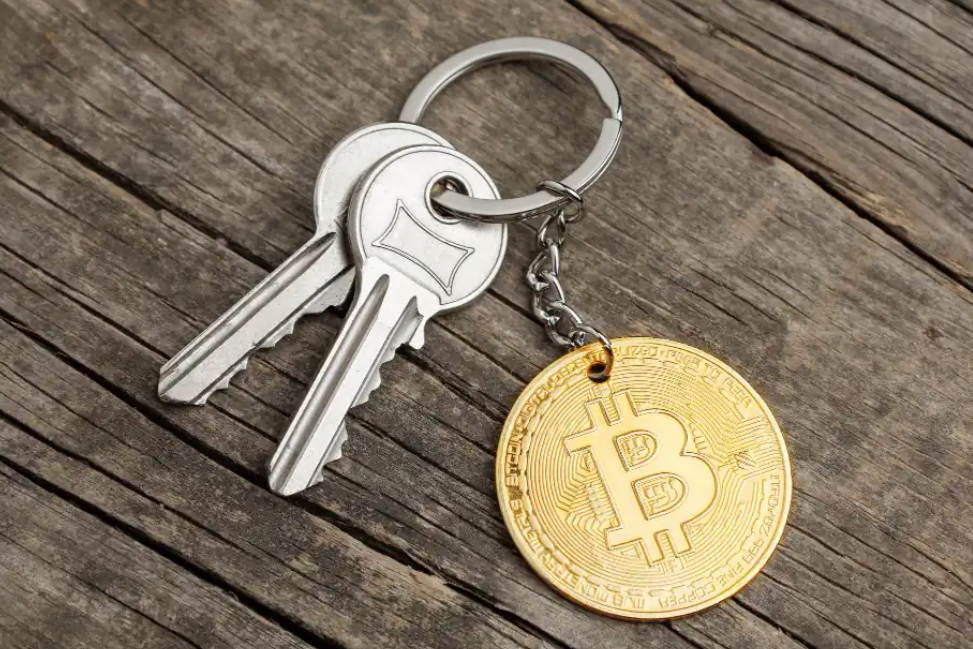
Not Your Keys, Not Your Coins cautions that true control over cryptocurrency rests with the private keys that authorize spending. If a third party holds those keys or seeds, user sovereignty is forfeited to that entity’s security and policies. The risk scales with custody choices, from hot wallets to cold storage. This framework frames ownership, security, and responsibility, presenting trade-offs and vulnerabilities that demand disciplined key management. The implications unfold as one weighs custody options and operational safeguards.
What “Not Your Keys, Not Your Coins” Really Means
“Not Your Keys, Not Your Coins” is a principle asserting that possession of private keys is prerequisite to control over cryptocurrency. The statement emphasizes sovereignty over funds amid digital assets and custodial failure. Privacy myths persist as defenders argue for self-sovereignty, yet exchange hacks reveal systemic risk. Timely key management and verifiable security practices mitigate exposure, clarifying ownership boundaries and responsibility.
See also: How to Take Control of Your Crypto Assets
How Private Keys Drive Ownership and Risk
Private keys act as the cryptographic anchor of ownership in public blockchain systems, because control over funds is determined by possession and knowledge of the corresponding private key or seed phrase. This framework links ownership to cryptographic access, not to third-party claims.
Privacy myths and legal ownership intersect: protection of keys matters, yet ambiguities remain about enforceable rights and responsibility.
Custody Options: Hot Wallets, Cold Storage, and Beyond
Custody options in crypto systems range from hot wallets connected to networks to cold storage isolated from online access, with each approach balancing accessibility, security, and risk tolerance.
Technical evaluation emphasizes controlled exposure, multi-signature schemes, and hardware safeguards.
Awareness of storage myths and exchange risk informs choices, guiding users toward resilient architectures that preserve autonomy while minimizing centralized failure points and unauthorized access potential.
Common Pitfalls and Safety Practices to Protect Assets
The discussion emphasizes disciplined credential management, multi-factor authentication, and routine verification of access logs.
It highlights risks from social engineering, phishing, and insider threats.
Addressing security myths and storage myths strengthens resilience through standardized backups, secure key handling, and incident response planning.
Frequently Asked Questions
How Do Exchanges Monetize Custody Besides User Risk?
Exchanges monetize custody through custody fees, interest income, staking, and lending, alongside exchange custody models, risk pricing, and insurance costs; regulatory compliance and insurance considerations shape fee structures, while professional risk management and diversification influence perceived safety for freedom-seeking users.
Can I Reclaim Access After Losing Private Keys?
Approximately 40% of crypto users report lost access in tests, but reclaiming is limited; recovery options exist, yet depend on custodial arrangements. The note emphasizes disciplined key management and cautious, technical steps for autonomy.
Do Hardware Wallets Cover All Phishing Threats?
Hardware wallets mitigate many phishing vectors but do not guarantee complete protection; notary compliance and user vigilance remain essential. They reduce risk of private key exposure, while sophisticated phishing schemes may target supply chains, recovery phrases, or companion apps.
Are There Legal Implications to Self-Custody?
Self-custody raises nuanced legal implications; not your keys, not your coins does not immunize holders from liabilities. Noting self custody legality varies by jurisdiction, custody regulation interacts with anti-money laundering rules and consumer protection, risk disclosures vary.
What Is Social Recovery and Its Risks?
Fading shadows hint at fragile trust: social recovery spreads risk across guardians, increasing privacy tradeoffs while diluting personal control. It outlines recovery workflows that, if mismanaged, invite social engineering, key leakage, and centralized vulnerability within otherwise autonomous systems.
Conclusion
Not your keys, not your coins emphasizes that true ownership hinges on possessing the private keys needed to authorize transactions, not merely holding assets with a third party. Without sovereign key control, custody risk remains with the custodian. Example: a hypothetical exchange breach where users’ funds are inaccessible despite balances, until keys are recovered or restored. Practically, users should implement robust private-key hygiene, diversify storage (hot vs. cold), and verify custody arrangements to minimize single-point failure and enhance genuine ownership.