ByJohn A
How to Take Control of Your Crypto Assets
Self-custody centers on owning private keys rather than trusting third parties. It demands transparent, auditable wallets and open-source review, with modular custody and clear provenance. Backups must be robust and diversified, with tested recovery procedures. A disciplined governance approach, threat modeling, and cost-aware risk management are essential to sustain autonomy. The path is clear but fraught; the next steps require concrete decisions about wallets, backups, and governance to ensure persistent control.
What Self-Custody Really Means for Crypto
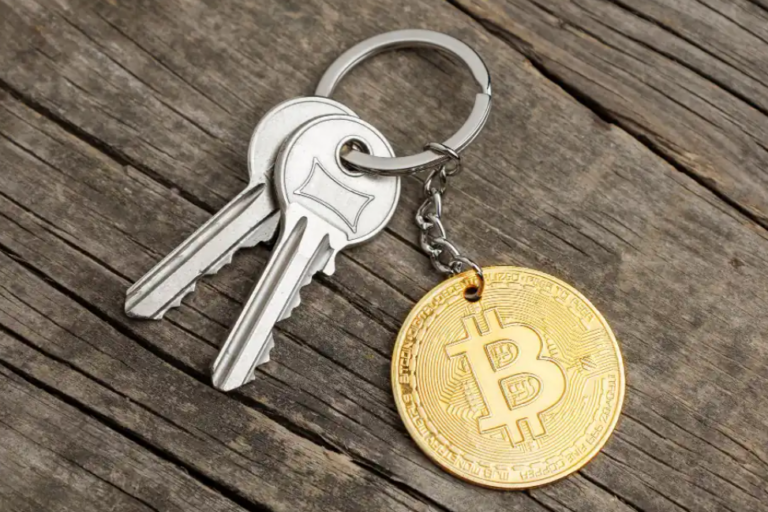
Self-custody refers to the practice of holding and managing cryptocurrency private keys directly rather than entrusting funds to a third-party service.
It frames governance decisions around risk, accountability, and resilience.
The analysis highlights security gaps and the threat of social engineering, urging rigorous key management, provenance checks, and multi-layer controls to preserve autonomy while mitigating systemic vulnerabilities.
See also: Understanding the Role of Big Data in Business
Choose the Right Wallets and Keys You Can Trust
Choosing the right wallets and keys hinges on aligning technical capabilities with governance priorities and risk tolerance. Trusted options balance security audits, open-source review, and platform transparency, supporting deliberate decision making.
Prioritize modular custody, verifiable provenance, and permissive recovery controls. Emphasize user education, clear risk disclosures, and ongoing governance updates to sustain freedom without compromising resilience in volatile markets.
Build Secure Backups and Recovery Procedures
Establishing resilient backups and recovery procedures is essential for maintaining access and control over crypto assets amid loss, theft, or hardware failure. The framework emphasizes backup redundancy across multiple secure locations, minimizing single points of compromise. Regular recovery testing validates integrity, timing, and procedures, ensuring governance boundaries are met and ownership remains verifiable while preserving user autonomy in uncertain environments.
Manage Risk, Stay Ahead of Threats, and Maintain Sovereignty
Proactively managing risk, staying ahead of threats, and preserving sovereignty require a structured, data-driven approach to crypto security. This section emphasizes governance and cost-awareness, aligning security budgeting with organizational risk tolerance. Threat modeling identifies potential attack vectors, prioritizes mitigations, and informs policy decisions. Clear accountability, continuous monitoring, and disciplined resource allocation empower individuals to maintain autonomy without compromising resilience.
Frequently Asked Questions
What Are Common Myths About Crypto Self-Custody?
Myth vs reality: common crypto self-custody myths suggest impractical security, but reality shows achievable governance benefits and autonomy. The tension between security vs convenience remains; data indicates prudent, auditable setups balance freedom with risk-aware controls.
How Can I Verify Wallet Security Beyond Reviews?
Verification relies on independent audits, real-time threat modeling, and reproducible tests; verify hardware integrity through immutable attestation, firmware checks, and supply-chain transparency, while governance-informed processes discourage single-point failures. Practice diversification to reduce concentrated risk.
Can I Diversify Custody Without Complicating Recovery?
Diversity vs. redundancy shapes custody, reducing recovery failure risks while preserving freedom; diversification demands governance, transparency, and tested protocols, yet excessive fragmentation can complicate recovery. The balance favors measured diversification, documented procedures, and robust key-escrow governance.
What Taxes or Legal Concerns Affect Self-Custody?
Self-custody raises tax reporting and regulatory compliance considerations, including accurate transaction records and wallet attribution. The assessment emphasizes risk-aware, data-driven governance, noting freedom-seeking users must navigate clarity, reporting thresholds, and jurisdictional obligations to avoid penalties.
How Often Should I Audit My Backup Credentials?
Should one audit their backup credentials annually or more? The answer: auditing frequency should be documented, with backup verification and recovery diversification, while considering custody taxes; risk-aware governance weighs security, data signals, and freedom-seeking stakeholders.
Conclusion
In pursuing true self-custody, governance and rigor must shape every decision, from wallet selection to backup protocols. Data-driven risk assessment, transparent audits, and modular custody reduce single points of failure while enhancing resilience. Continuous testing of recovery procedures proves access remains intact, safeguarding sovereignty against evolving threats. As the saying goes, “Trust but verify”—and in crypto, verification is ongoing governance. With disciplined risk management, secure provenance, and cost-aware protection, autonomy endures.