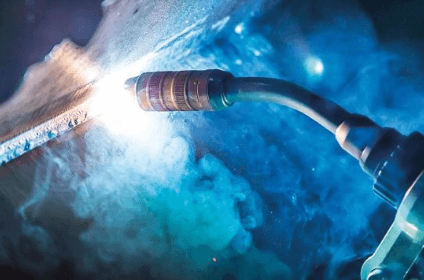

Welding plays a critical role in industries where components must withstand heat, pressure, corrosion, and repeated mechanical stress. From chemical processing equipment to power generation systems and specialised fabrication, the quality of the welding material can influence the durability and reliability of a finished structure. Choosing the right consumables is therefore an important part of planning any industrial welding project.
Nickel-based welding materials are particularly valuable in applications that require resistance to corrosion, elevated temperatures, or challenging operating environments. However, not every alloy is suitable for every base metal or service condition. Fabricators must consider the material specification, joint design, welding process, and requirements of the finished component before selecting a product.
A careful purchasing process also helps businesses maintain consistent quality across production runs. Understanding alloy compatibility, supplier documentation, manufacturing consistency, and delivery reliability can make it easier to source materials that meet the demands of a specific project.
Understanding Nickel-Based Welding Materials
Nickel and nickel alloys are used in a variety of engineering applications because they offer useful combinations of corrosion resistance, mechanical properties, and performance under demanding conditions. Their suitability depends on the exact alloy composition and the environment in which the welded component will operate.
Common applications include chemical processing equipment, marine systems, industrial heat exchangers, and selected power generation components. In these settings, the material may be exposed to corrosive substances, temperature changes, or demanding operating conditions.
Why Alloy Selection Matters
Different nickel alloys are designed for different service environments. Some offer strong resistance to particular corrosive media, while others are selected for high-temperature performance or compatibility with specific base metals.
The correct choice should be based on the engineering requirements rather than the general description of a product as a nickel alloy. Buyers should review the relevant material specifications and consult qualified welding or materials engineers when the application involves demanding service conditions.
Matching the Filler Material to the Base Metal
The filler material must be compatible with the base metals being joined and the intended service environment. Differences in composition, thermal behaviour, and mechanical properties can affect weld quality and long-term performance.
Before ordering, confirm the base metal grade, joint requirements, welding process, and applicable procedure. These details help determine which filler classification is appropriate.
Important Factors When Choosing Welding Wire
Selecting a suitable welding wire involves several considerations beyond its nominal alloy type. Product consistency, dimensional accuracy, packaging, and traceability can all influence its performance in production.
Alloy Composition and Classification
The chemical composition should match the required specification. Buyers should verify the product classification and confirm that the documentation identifies the intended alloy.
Where a project requires compliance with a particular welding standard, the purchasing specification should clearly identify that requirement. Similar product descriptions do not necessarily mean that two wires have identical compositions or qualifications.
Diameter and Surface Condition
Wire diameter affects feeding behaviour, deposition rate, and the settings used during welding. The selected size must suit the welding equipment, joint configuration, and approved procedure.
Surface condition is also important. Contamination, corrosion, or inconsistent wire dimensions can create feeding difficulties and may affect process stability. Proper packaging and storage help protect the material before use.
Packaging and Traceability
Welding wire should arrive in packaging appropriate for its product type and transport conditions. Labels should identify the material and relevant batch information.
Traceability allows manufacturers to connect the consumable used in a weld with its supporting documentation. This can be especially important in regulated projects, critical fabrication, and quality audits.
Evaluating Manufacturers and Suppliers
A dependable source should be able to provide suitable products, consistent documentation, and clear communication. Procurement teams should verify the supplier’s capabilities before making decisions based solely on price.
Businesses comparing nickel welding wire manufacturers should examine their product range, manufacturing or distribution role, quality-control procedures, and ability to meet the required specifications.
Verify Manufacturing Capabilities
First, establish whether the company manufactures the wire itself or supplies products made by another organisation. Both business models can serve industrial buyers, but the distinction affects how production capability and product origin should be verified.
Ask for relevant information about manufacturing processes, inspection procedures, and the documentation supplied with each order. Claims about certifications or production capacity should be supported by current, applicable evidence.
Review Quality Documentation
Request the product specification and relevant inspection documents. Depending on the product and application, these may include chemical composition information, mechanical test results, classification details, and batch identification.
Check that the documents relate to the exact product being quoted. For critical applications, confirm whether additional qualification or independent verification is required by the project specification.
Assess Communication and Technical Support
A supplier should be able to answer practical questions about product identification, available sizes, packaging, lead times, and documentation.
Clear communication is particularly useful when a project involves several alloy types or recurring orders. Inconsistent descriptions or unclear answers should be resolved before the purchase is finalised.
Comparing Prices and Total Procurement Costs
The lowest quotation does not always represent the best value. Differences in alloy classification, packaging, order quantity, documentation, and delivery terms can make apparently similar offers difficult to compare.
Calculate the total cost of obtaining the material, including shipping, insurance, applicable taxes, import charges, and any required testing. Also consider the cost of delays if a shipment arrives after a scheduled production run.
When requesting quotations, provide all suppliers with the same technical specification and delivery requirements. This makes the resulting offers more comparable and reduces the chance of purchasing a product that does not meet the intended application.
For recurring requirements, discuss realistic lead times and stock availability. A dependable supply arrangement can be more valuable than a small reduction in the initial purchase price.
Storage and Handling Before Welding
Welding consumables should be stored according to the manufacturer’s recommendations and the applicable welding procedure. Environmental exposure can affect some products, while damage to packaging may make identification and material control more difficult.
Keep products labelled and separated by alloy classification, diameter, and batch where necessary. This reduces the risk of selecting the wrong consumable during production.
Personnel should follow the storage, handling, and preparation instructions for the specific wire. If packaging is damaged or the material appears contaminated, it should be assessed before use rather than automatically introduced into a welding operation.
Supporting Consistent Weld Quality
High-quality consumables are only one part of a reliable welding process. Joint preparation, equipment condition, operator competence, shielding arrangements where applicable, and process parameters also affect the final result.
Welding should be performed in accordance with an appropriate qualified procedure. Where inspection is required, the project should define the relevant checks and acceptance criteria before fabrication begins.
A consistent approach to consumable identification and recordkeeping helps quality teams investigate problems and reproduce successful production conditions. It also supports traceability when components must meet demanding customer or regulatory requirements.
Frequently Asked Questions
1. What should buyers check before purchasing nickel welding wire?
Confirm the alloy classification, base-metal compatibility, wire diameter, required standards, product documentation, batch traceability, packaging, and delivery schedule. Critical applications may require additional verification under the approved welding procedure.
2. Why is supplier documentation important?
Documentation helps buyers verify product identity and determine whether the material meets the purchasing specification. It also supports quality audits, traceability, and investigations into fabrication issues.
3. Is price the most important factor when selecting welding wire?
No. Price should be evaluated alongside material conformity, documentation, consistency, delivery reliability, and suitability for the intended service conditions. A low-cost product may create greater expense if it causes production delays or fails to meet project requirements.
See also: Understanding the Role of Big Data in Business
Conclusion
Selecting welding consumables for demanding industrial applications requires a clear understanding of alloy requirements, process conditions, product quality, and supplier capability. Careful verification before purchase helps businesses avoid compatibility problems and maintain consistent fabrication standards.
By defining specifications, reviewing documentation, checking traceability, and planning storage and delivery, procurement teams can make more informed decisions. Combining suitable consumables with qualified welding procedures and effective quality control provides a stronger foundation for reliable industrial fabrication.